Cute phrases like “sun-kissed skin” and “bronzed glow” may sound appealing at first, but once you understand that these things are the result of sun damage the allure fades pretty quickly. The reality is that UV exposure accelerates signs of aging in your skin—arguably more so than any other stressor—leading to fine lines and wrinkles, uneven tone, dark spots, rough texture, and (ironically) loss of radiance.
While some sun-related changes are difficult to avoid entirely, consistent daily habits can help support healthier-looking skin over time. Ahead, we’re breaking down the most common signs of sun damage on your face, including some subtle early signs of photoaging. Plus, we’re sharing skincare ingredients and protective rituals that can help defend against future UV-related stress.
Common Signs of Sun Damage on Your Face
The thing about sun damage is that it can often lurk under the surface years before it shows up. And while some obvious signs—like sun spots or deep wrinkles—eventually show up, early signs of sun damage are pretty subtle and easy to mistake for normal skin fatigue, dryness, or aging. We’re covering both types below.
Subtle Early Signs of Sun Damage
Often, the earliest signs are gradual shifts in your skin that you may simply dismiss as stress, dehydration, or “getting older.” However, UV exposure accelerates photoaging beneath the surface, which means it slowly starts impacting collagen, elastin, and overall skin resilience long before more obvious signs show up.
-
Dullness or loss of radiance: Your complexion can start to look “flat” or less luminous due to slowed cell turnover and cumulative oxidative stress.
-
Persistent dryness or dehydration: Did you know UV exposure weakens your skin barrier over time? This makes it harder for skin to effectively retain moisture, which leads to dryness and dehydration.
-
Uneven texture: With ongoing UV exposure, your skin may begin to feel rougher or less smooth even if visible discoloration hasn’t appeared yet.
-
Fine lines that seem more noticeable: Early collagen and elastin breakdown can make expression lines appear more pronounced over time.
-
Mild sensitivity or redness: This early sign of sun damage is so sneaky! Repeated sun exposure can leave skin feeling more reactive, especially when paired with environmental stressors. This translates to redness, irritation, and sensitivity.
-
Subtle discoloration: Tiny areas of uneven tone or faint dark spots may begin forming before larger sun spots become visible.
-
Loss of firmness or bounce: With UV exposure, skin can start to feel less supple or resilient compared to before. This is because the sun causes gradual structural changes within the skin.
More Obvious Signs of Sun Damage
Paying attention to subtle, early signs of sun damage gives you a chance to run interference on Mr. Sunshine. Over time—if no protective habits or products are used—you’ll start to develop these more obvious signs of sun damage.
-
Sun spots: These concentrated areas of discoloration form after years of cumulative UV exposure and excess pigment production. Sun spots look like darker brown splotches on the skin.
-
Deepened wrinkles: Ongoing collagen and elastin breakdown can make lines appear more etched and pronounced over time. It’s also partially the result of low moisture levels (high moisture equals naturally plumper-looking skin.)
-
Crepey or thinning skin: Chronic sun exposure can weaken the skin’s structural support, leading to a thinner, less resilient complexion.
-
Uneven skin tone: Patchiness, redness, and discoloration often become more noticeable as UV damage accumulates. This can include broken capillaries, persistent readiness, and splotching.
-
Loss of firmness or sagging: Photoaging can gradually reduce skin elasticity, contributing to looser-looking skin over time. This happens with age, of course, but it’s prematurely exacerbated by the sun.
-
Rough patches or leathery texture: Years of UV exposure can leave skin feeling thicker, rougher, or less smooth to the touch. This is a key contributor to that notorious “leathery skin” effect.
Daily Habits That Help Protect Skin From Sun Damage
Daily habits make all the difference when it comes to helping protect skin from sun damage. The goal isn’t to avoid the sun altogether, which obviously isn’t possible. Rather, it’s to create a few steady rituals that support your skin every time you step outside.
1. Wear SPF Every Single Day
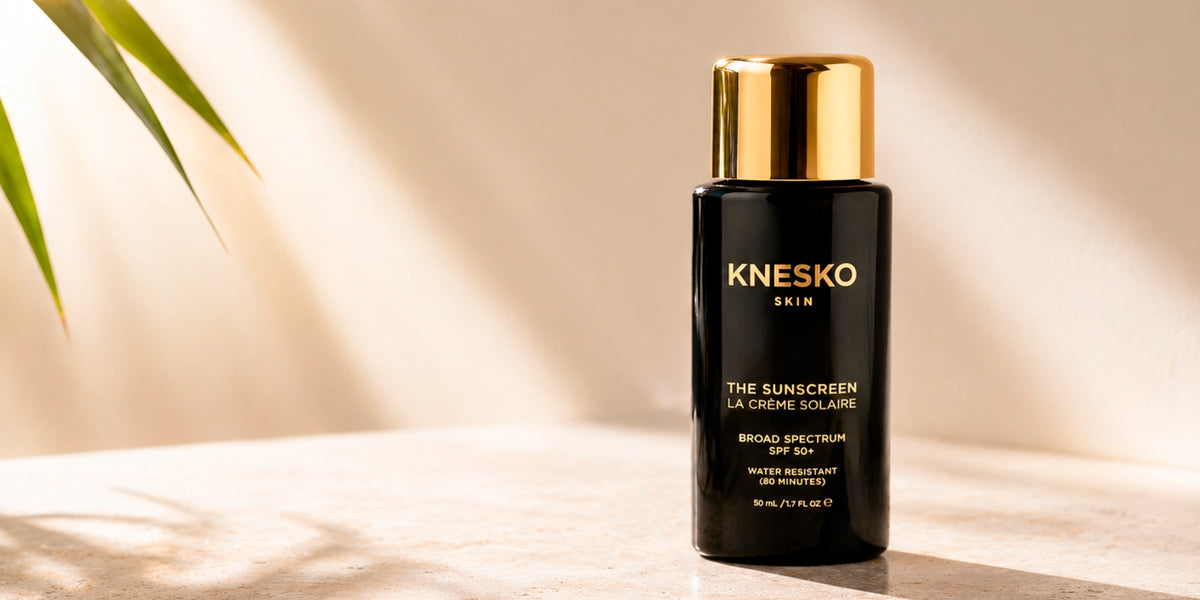
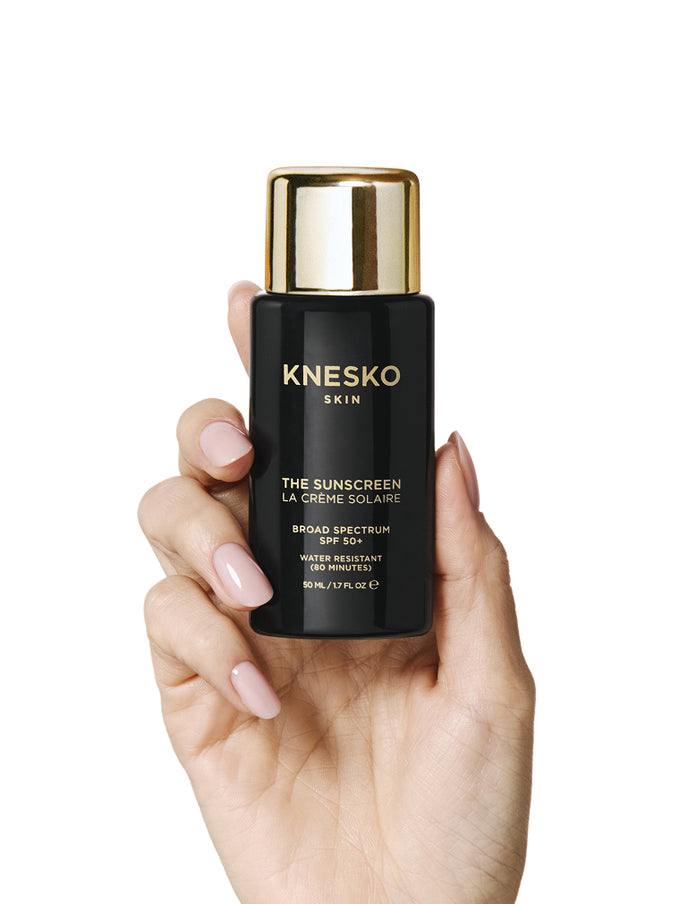
This one’s a non-negotiable. Even if you do everything else and use all the most expensive skincare products, you’re essentially throwing away that hard work (and those dollars) if you don’t wear SPF. According to the American Academy of Dermatologists (AAD), you should wear a broad-spectrum SPF of 30 or higher every single day—even when it’s cloudy, you’re mostly indoors, or you’re just running quick errands.
For a formula that feels more like skincare than traditional sunscreen, KNESKO’s Gold Repair Sunscreen offers SPF 50+ broad-spectrum mineral protection in a lightweight face-milk texture designed to layer beautifully with the rest of your routine.
2. Pair SPF With Antioxidants
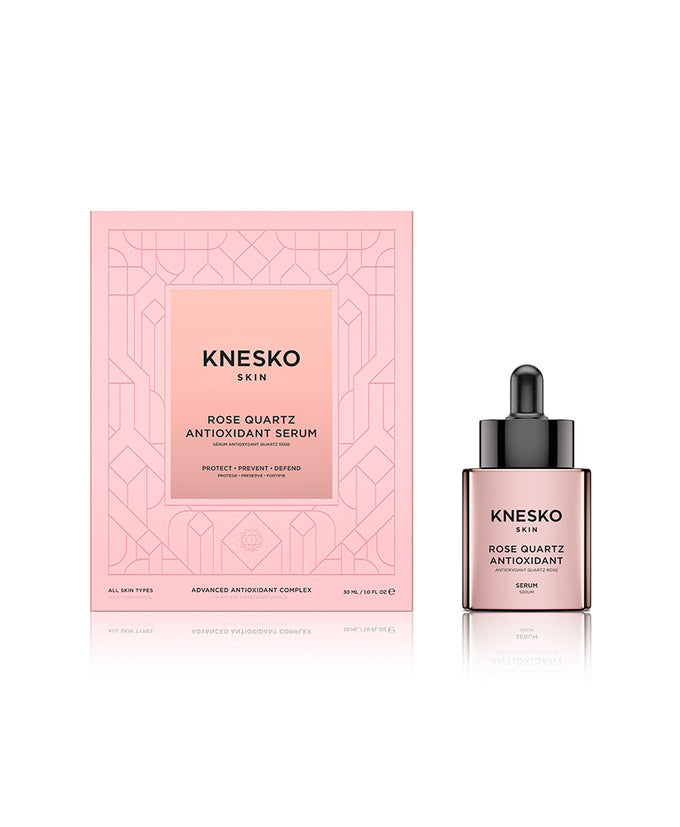
Think of antioxidants as your sunscreen’s supportive sidekick. While sunscreen helps shield skin from UV rays, antioxidants help neutralize free radicals created by environmental stressors like sun exposure and pollution. Together, they create a more comprehensive approach to protecting your skin from visible damage.
We recommend applying a clinically formulated vitamin C serum like KNESKO’s Rose Quartz Antioxidant Serum. Not all are created equally, and this one is formulated with superior 3-0 Ethyl Ascorbic Acid alongside ferulic acid and resveratrol.
3. Support Your Skin Barrier
A strong skin barrier helps skin hold onto hydration and better defend itself against environmental stressors, including UV exposure. KNESKO’s Gold Repair Skincare collection approaches this through a full daily ritual.
The Cleansing Balm—awarded “Best Face Wash” in the 2026 Shape Awards—uses nourishing oils like prickly pear and pomegranate to remove makeup without stripping skin. It doubles up nicely with The Cleanser, which uses gentle AHAs and PHAs with barrier-supporting plant stem cells for a fresh, balanced cleanse.
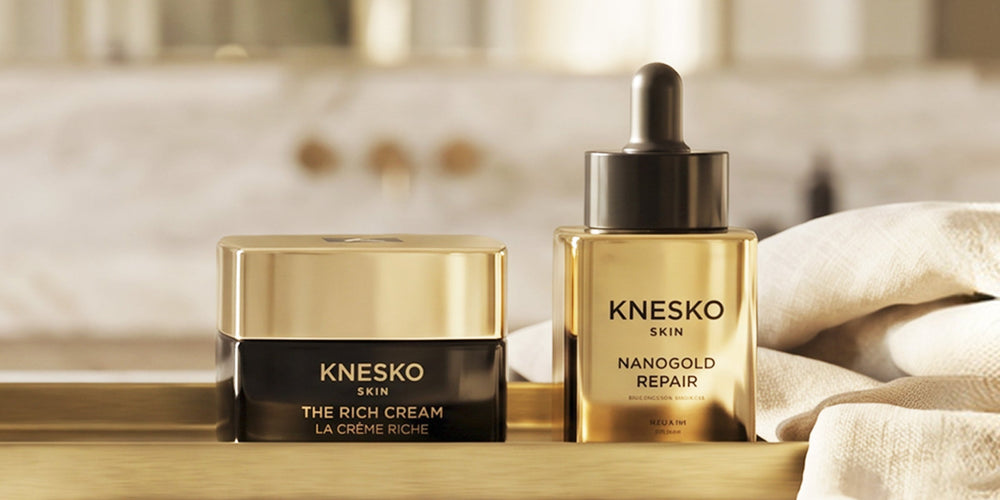
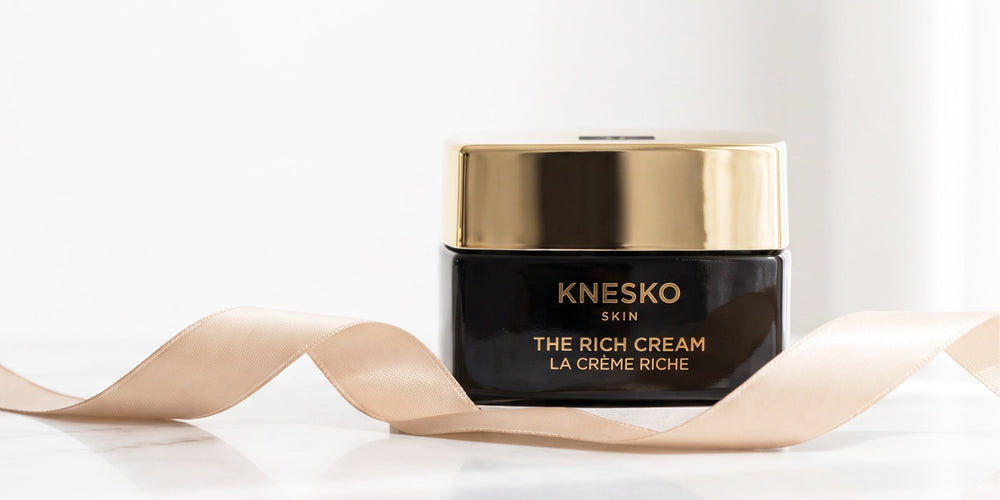
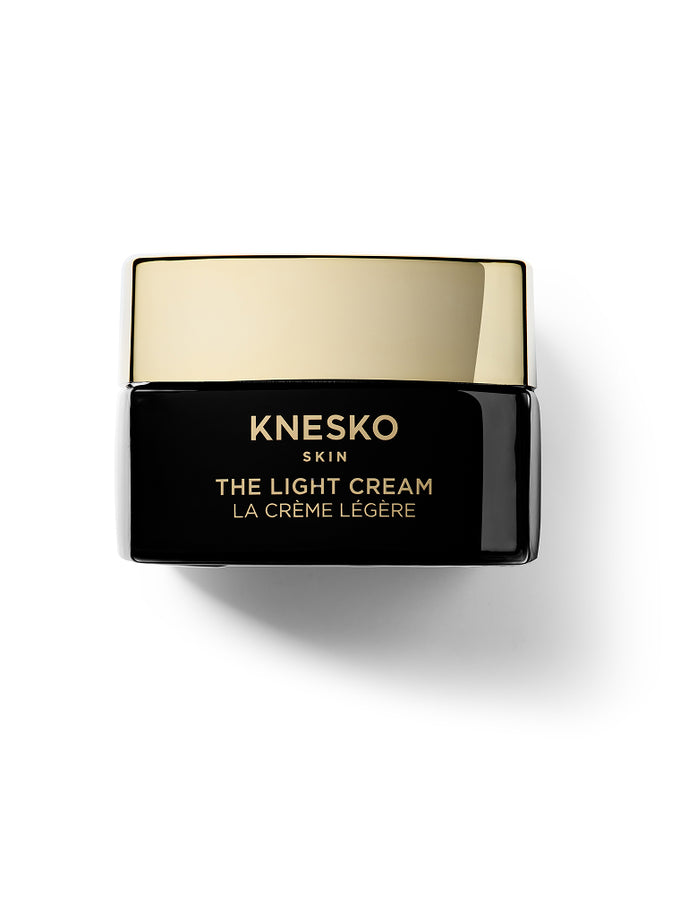
The Light Cream combines niacinamide, peptides, and hydration for lightweight moisture support, while The Rich Cream delivers deeper replenishment with gold-wrapped peptides and intensive hydration support for your nightly ritual or for dry skin types.
Altogether, the collection helps support smoother, stronger, more resilient-looking skin over time.
4. Reapply and Seek Shade
Applying SPF once in the morning isn’t enough if you’re spending extended time outdoors. The AAD recommends reapplying sunscreen every two hours—and more frequently if you’re swimming or sweating heavily. Wide-brim hats, sunglasses, UPF clothing, and shade also go a long way in minimizing cumulative UV exposure, especially during peak sunlight hours between 10 a.m. and 4 p.m.
This matters because sun damage is cumulative. Even small, repeated exposure over months and years can contribute to visible discoloration, collagen breakdown, and premature aging. Small protective habits repeated consistently tend to make the biggest difference long term.
Green Jade Calm Collagen Face Mask
5. Soothe Skin After Sun Exposure
Mistakes happen—a forgotten reapplication or a shoddy slather job. And even with diligent SPF use, long days outdoors can leave skin feeling dry, tight, overheated, or visibly stressed. Enter: a calming, hydration-focused skincare ritual. Look for ingredients that help support the skin barrier and replenish moisture, such as hyaluronic acid, niacinamide, ceramides, and cica (centella asiatica).
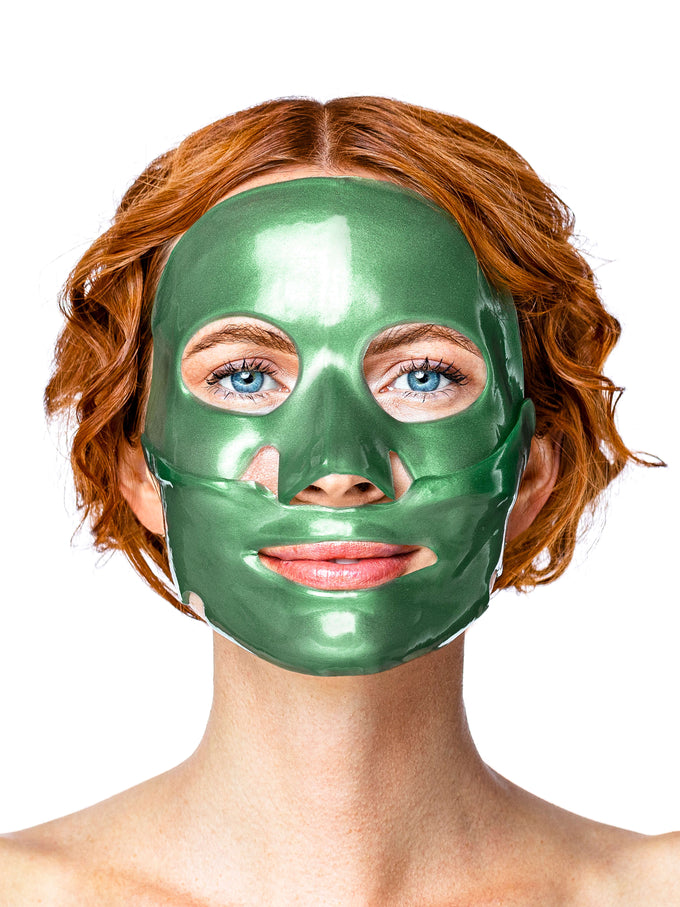
Our Green Jade Calm collection was formulated specifically to soothe irritated, red, or otherwise compromised skin. The treatments incorporate centella asiatica (CICA) alongside deeply hydrating ingredients designed to help comfort stressed-looking skin and support a more balanced, refreshed complexion after sun exposure.
Pairing soothing products with cooling rituals—like chilled face masks, gentle cleansing, and rich hydration—can help skin feel more comfortable and resilient post-sun.
The Best Skincare Ingredients for Sun-Exposed Skin
Certain skincare ingredients help support skin exposed to UV rays and environmental stressors.
-
Antioxidants: Ingredients like Vitamin C help neutralize free radicals while supporting brighter, more radiant-looking skin.
-
Peptides: Peptides help support firmness and elasticity, which can be impacted by cumulative sun exposure over time.
-
Niacinamide: Niacinamide helps support the skin barrier while improving the look of uneven tone and texture.
-
Hyaluronic Acid: This hydrating ingredient helps skin appear plumper and smoother by drawing moisture into the skin.
-
Mineral SPF: Mineral sunscreens use ingredients like zinc oxide to help physically block UV rays and provide broad-spectrum protection.
-
Plant Stem Cells: Ingredients like alpine rose, grape, and goji stem cells help support skin resilience against environmental stressors.
Can Sun Damage Be Reversed?
Some visible effects of sun damage can be minimized, especially when addressed early and supported with consistent skincare habits. Ingredients like antioxidants, peptides, niacinamide, and exfoliating acids may help improve the appearance of uneven tone, dullness, texture, and fine lines over time.
Consistency matters here. Daily SPF use, supportive skincare, and minimizing additional UV exposure tend to make the biggest long-term difference when it comes to maintaining healthier-looking skin. Prevention is still the most effective approach, since UV damage accumulates gradually over the years.
For more advanced visible sun damage, professional treatments may also help. Depending on your skin and goals, a dermatologist or licensed skincare professional may recommend options like chemical peels, lasers, IPL, or microneedling to help improve the appearance of discoloration and texture.
Gorgeous skin is built through consistent small daily rituals: SPF protection, clean-clinical formulas, and moments of restoration that support both skin and spirit. With the right ingredients and mindful habits, your skincare routine becomes part of a bigger approach to helping defend, strengthen, and support healthy-looking skin for the long haul.