When it comes to modern hydration heroes, two skin-quenching ingredients tend to dominate the conversation: hyaluronic acid and polyglutamic acid (PGA). Both get credit for their ability to attract and retain moisture for a bouncy and bright complexion, yet they function in slightly different ways. For advanced skincare seekers, understanding the hyaluronic acid vs. polyglutamic acid difference can mean truly tailoring your skincare routine to your specific needs.
What is Hyaluronic Acid?
Hyaluronic acid is a substance that already exists naturally in your skin and acts like a tiny sponge, pulling in water and helping your complexion look smoother, bouncier, and more hydrated. And it does so all without leaving behind a greasy layer or feeling thick and goopy.
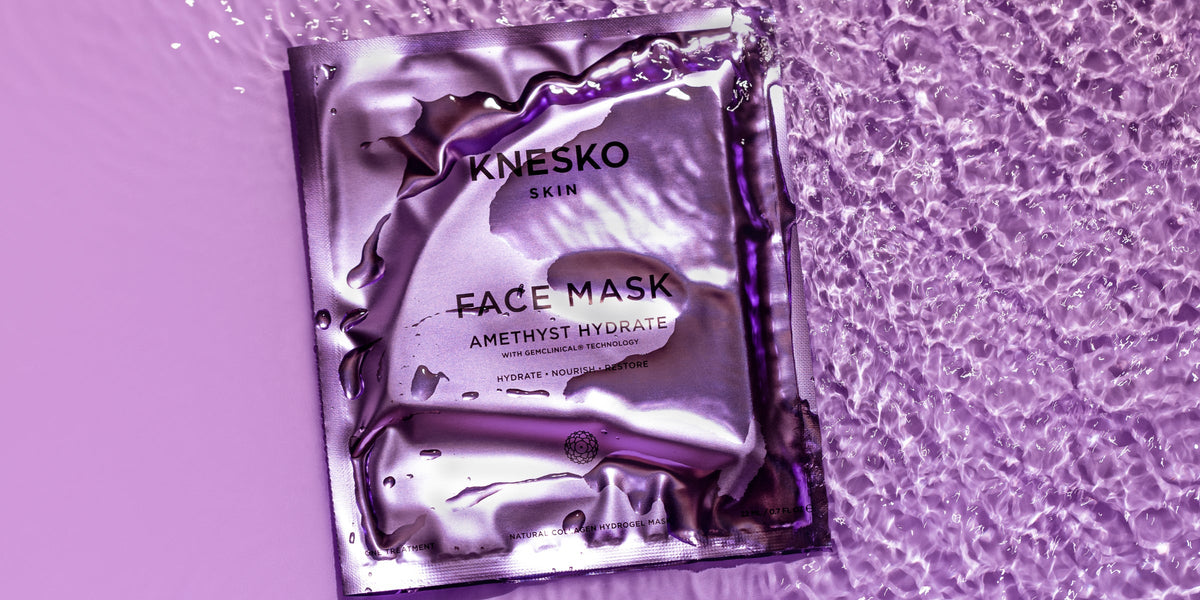
One thing to note is that not all hyaluronic acids—and formulas that use hyaluronic acid—are created equal. Molecular size and derivative type influence how hydration performs on the skin.[1] Advanced formulas, such as KNESKO’s Hyaluronic Concentrate found in the Amethyst Hydrate Collection, combine multiple forms of hyaluronic acid.
The four-part blend of sodium hyaluronate crosspolymer, sodium hyaluronate, sodium acetylated hyaluronate, and hydrolyzed sodium hyaluronate helps support hydration at different surface levels. This multi-approach helps reinforce the skin’s moisture-holding ability, providing up to 24 hours of moisturization without relying on a single ingredient format.
Want to learn more about your skin and what treatments will target your concerns and skincare goals? Take our 60-second skincare quiz!
What is Polyglutamic Acid?
Polyglutamic acid is a relatively new hydrating polymer ingredient derived from fermented soybeans that’s known for helping moisture stay on the skin’s surface. You can think of it like a lightweight seal that helps with transpersonal water loss (TEWL).[2] Like hyaluronic acid, it draws in water, but it also creates a sort of light, flexible layer over the skin’s surface.
Because it primarily works on the outermost layer of skin, polyglutamic acid is often used to complement (instead of outright replacing) humectant ingredients such as hyaluronic acid. Many routines pair the two together, with hyaluronic acid drawing water in and polyglutamic acid helping keep that hydration from evaporating too quickly.
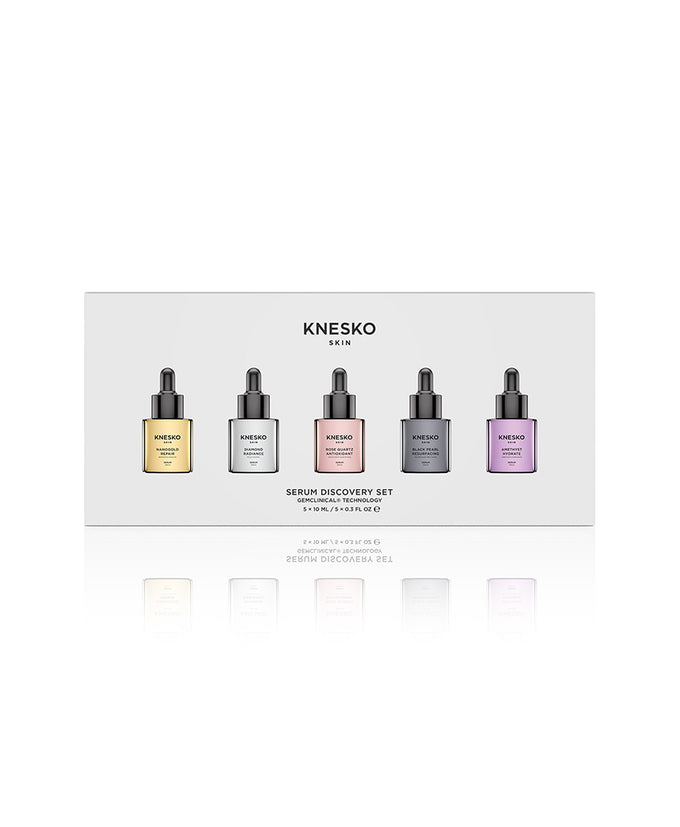
Hyaluronic Acid vs. Polyglutamic Acid: What’s the Difference?
Both hyaluronic acid and polyglutamic acid are humectants, meaning they attract water to the skin. The differences come down to how they’re typically formulated, how they feel on the skin, and the type of hydration experience they’re known for.
Hyaluronic Acid
-
Humectant that binds water to help skin appear plumper and more cushioned
-
Naturally occurring in the body, and commonly produced for skincare via plant-based bio-fermentation
-
Commonly associated with bounce and volume
-
Available in multiple molecular weights and derivative forms
-
Texture is often watery or gel-like
-
Widely used to target the appearance of dehydration, fine lines, and wrinkles
Polyglutamic Acid
-
Humectant known for high water-binding capacity
-
Derived from soybean fermentation using beneficial bacteria
-
Often associated with a smoother-looking skin surface
-
Also available in varying molecular weights depending on formulation
-
Texture tends to feel silky or slightly serum-like
-
Frequently used to enhance softness and a dewy finish
Can You Use Hyaluronic Acid and Polyglutamic Acid Together
Hyaluronic acid and PGA are besties. Like friends, you can pair them together, but they also shine when alone, too. Hyaluronic acid focuses on drawing water into the skin, while polyglutamic acid is frequently used to help that moisture stay put and maintain a soft, supple finish.
When pairing the two together, formulation and texture matter more than strict order. The general rule of thumb for layering skincare applies here, too: start with lightweight serums first, followed by slightly more viscous formulas or moisturizers to help seal everything in. Both ingredients are suitable for both morning and nighttime skincare routines.
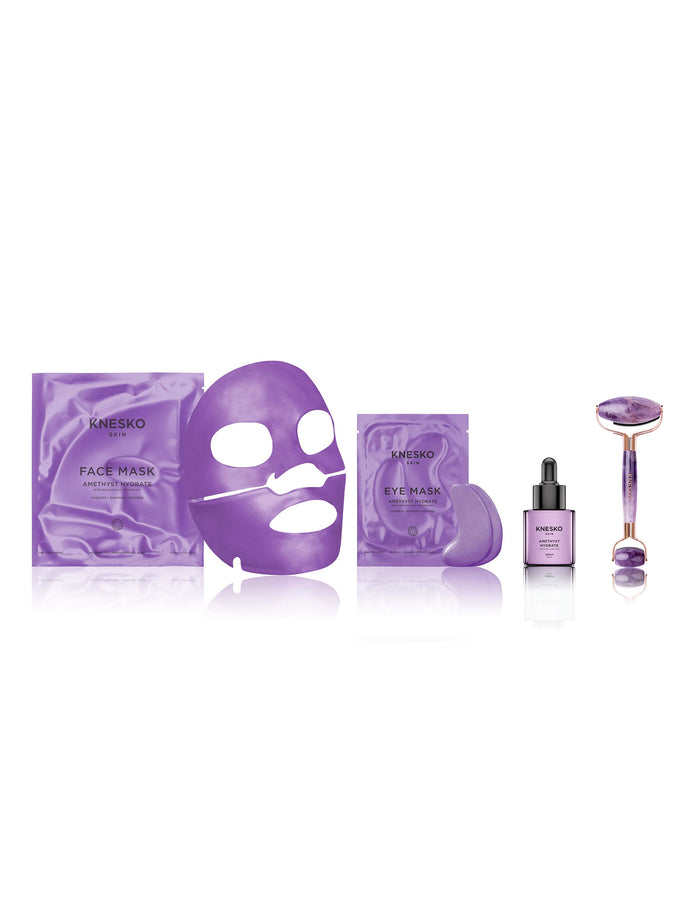
Amethyst Hydrate Nourishing Facial Set
Which Is Better for Your Skin Type?
There isn’t a universal winner between hyaluronic acid and polyglutamic acid. At the end of the day, the better choice often comes down to your unique skin goals, texture preference, and how your skin responds to different formulas. Both hydrate, but the finish and feel can guide your decision.
-
Dry or Dehydrated Skin: Hyaluronic acid is often favored for its plumping, cushiony effect and wide range of molecular sizes that can support layered hydration. Many people reach for it when skin feels tight, flaky, or dull.
-
Oily or Combination Skin: Polyglutamic acid can appeal to those who want hydration without a heavier feel. Its silky texture and smoothing finish tend to layer well under sunscreen or makeup.
-
Mature or ‘Fine Line’-Focused Routines: Hyaluronic acid is commonly used to help soften the appearance of fine lines by improving the look of bounce and suppleness in the skin.
-
Dewy or Glass-Skin Finish: Because of the fine film it leaves on the skin’s surface, polyglutamic acid is frequently associated with surface smoothness and a luminous, fresh-faced glow.
Those leaning toward hyaluronic-acid-focused formulas, options like KNESKO’s Amethyst Hydrate Serum are designed with multi-molecular hydration in mind, offering a lightweight texture that layers easily into both morning and nighttime routines.
For many, the most effective approach in choosing hyaluronic acid vs. polyglutamic acid isn’t about picking one over the other. Rather, it comes down to understanding how each functions and selecting high-quality products that support long-term moisture balance, skin health, and glow.
Citations:
1. Giardina S, Poggi A, Complife Italia srl VGR. Skin penetration ability of 12 hyaluronic acids with different molecular weights after topical application. JGWH. 2023;5(3):1-6. doi:10.19080/JOJDC.2023.05.555665
2. Green, Maxwell, et al. “Transepidermal Water Loss (TEWL): Environment and Pollution—A Systematic Review.” Skin Health and Disease, vol. 2, no. 2, Feb. 2022, p. e104. pmc.ncbi.nlm.nih.gov, https://doi.org/10.1002/ski2.104.